
UK Construction Industry Trends You Should Know About
Published:
March 30, 2026
The construction industry is ever evolving. If companies want to remain innovative and forward-thinking, staying aware of the latest construction industry trends is crucial.

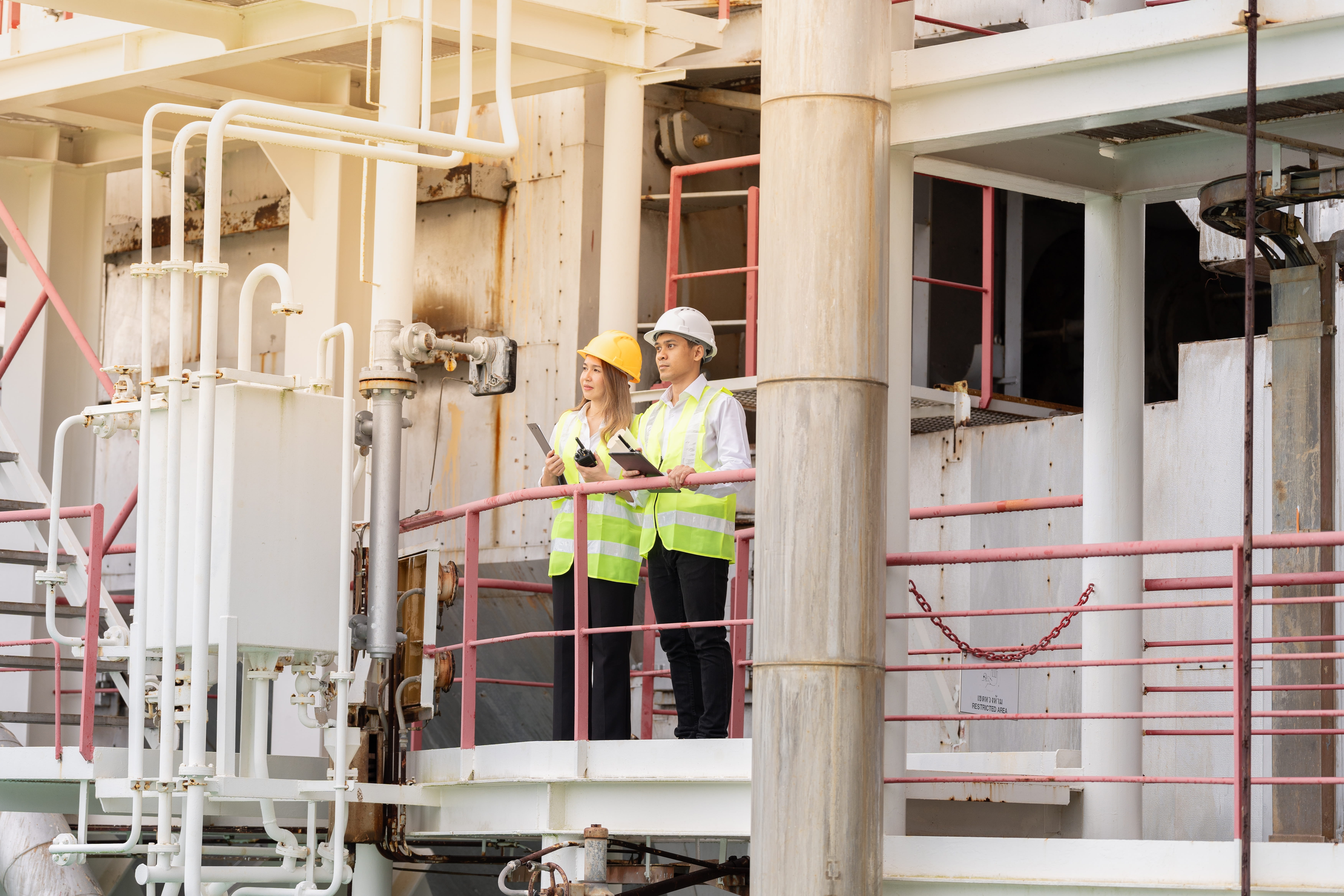

The construction industry is ever evolving. If companies want to remain innovative and forward-thinking, staying aware of the latest construction industry trends is crucial. In 2026, many businesses want an AI strategy, better sustainability, and technology that cuts construction time and costs.
Artificial Intelligence
Artificial Intelligence (AI) is taking the business world by storm, and the construction sector is no different. AI tools can produce a virtual construction site map, track project progress, monitor site safety, and more. Companies utilising AI engines have reduced their costs and improved their quality control.
However, it is important to have AI-generated content or timelines checked by an industry professional. AI can produce inaccurate data, which can be damaging for any industry or business.
Innovative software and technology
As well as AI software, another UK construction sector trend includes incorporating new technological systems to streamline construction processes.
Virtual Design and Construction (VDC) models allow for detailed 3D designs of projects without the need for physical models. These virtual systems can also be accessed in augmented or virtual reality. This creates an impressive and realistic depiction of the proposed structure.
Other software includes management systems that can make all relevant documentation and blueprints accessible in one place.
Technology like drones is also used in the construction industry to review sites and count materials. This improves safety and accuracy. 3D printers are now being used to create building components, utilising a wide range of materials including concrete, geopolymers, and even natural resources like mud or sand.
Sustainability
The construction market can have a significant impact on the environment. To combat this, many companies are working to employ recycled materials and new technology to improve sustainability in construction.
Structures built with energy efficiency in mind will help to reduce carbon emissions in the long term. This can include improving heat insulation, installing energy-efficient bulbs, installing heat pumps instead of boilers, and more.
An exciting new development in the construction industry is using living building materials. Currently, creating cement accounts for 8% of all global carbon emissions. However, scientists have developed concrete and cement made from living materials that can actually self-replicate and self-mend. They also absorb CO2 when they are created, helping to reduce the damage caused by creating normal cement.

Safety
While safety has always been important, new advances have reduced the risk of injuries and deaths on construction sites.
Companies are encouraged to equip their workers with safety helmets instead of hard hats. Safety helmets have a chin strap, they are more secure, and they provide the wearer with a greater field of vision. New safety helmets now have shock-absorbent features. This reduces the impact if someone hits their head.
Further safety technology includes sensors that can detect falls, GPS trackers, exoskeletons that support the back, and more. Furthermore, utilising manufacturing robots can prevent the physical strain on workers from repetitive and strenuous movement.
At FormFive, we’re staying ahead of the curve on the latest construction trends. To learn more, get in touch with us on 01604 218 700 or email hello@formgivegroup.co.uk.
Latest News

What is BREEAM in Construction?
Published:
September 16, 2026
BREEAM helps companies to evaluate the sustainability of a particular construction project. It is a certification process that assigns point values to different sustainability categories against established benchmarks.
Modern Methods of Construction: What You Should Know
Published:
August 19, 2026
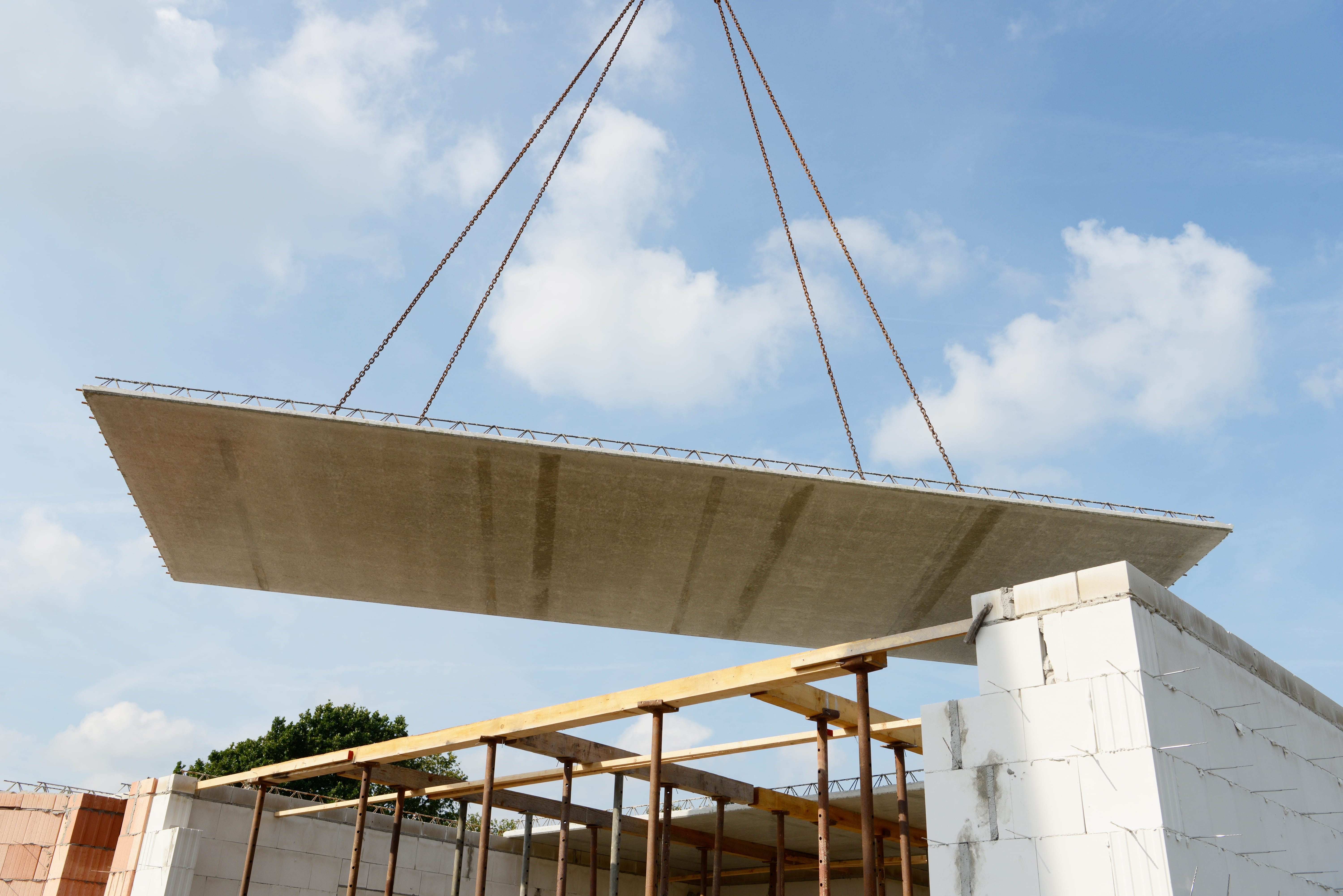
Modern methods of construction involve streamlining the building process with premade assets or automated systems.

A Guide on Risk Management in Construction Projects
Published:
July 22, 2026
Risk management is one of the most important considerations during construction projects. With a proper risk management plan, companies can save money and avoid delays or legal disputes.
Looking for a clear way forward with your next building project?
Struggling to see how you get your project to completion? You don’t need to go it alone.
With our proven track record, extensive experience and a powerful supply chain, we’ll get your project to where it needs to be.