
The Use of AI in Construction
Published:
May 19, 2026
Artificial intelligence in construction can plan projects, organise admin tasks, manage worksites and machinery, and even complete manual building.

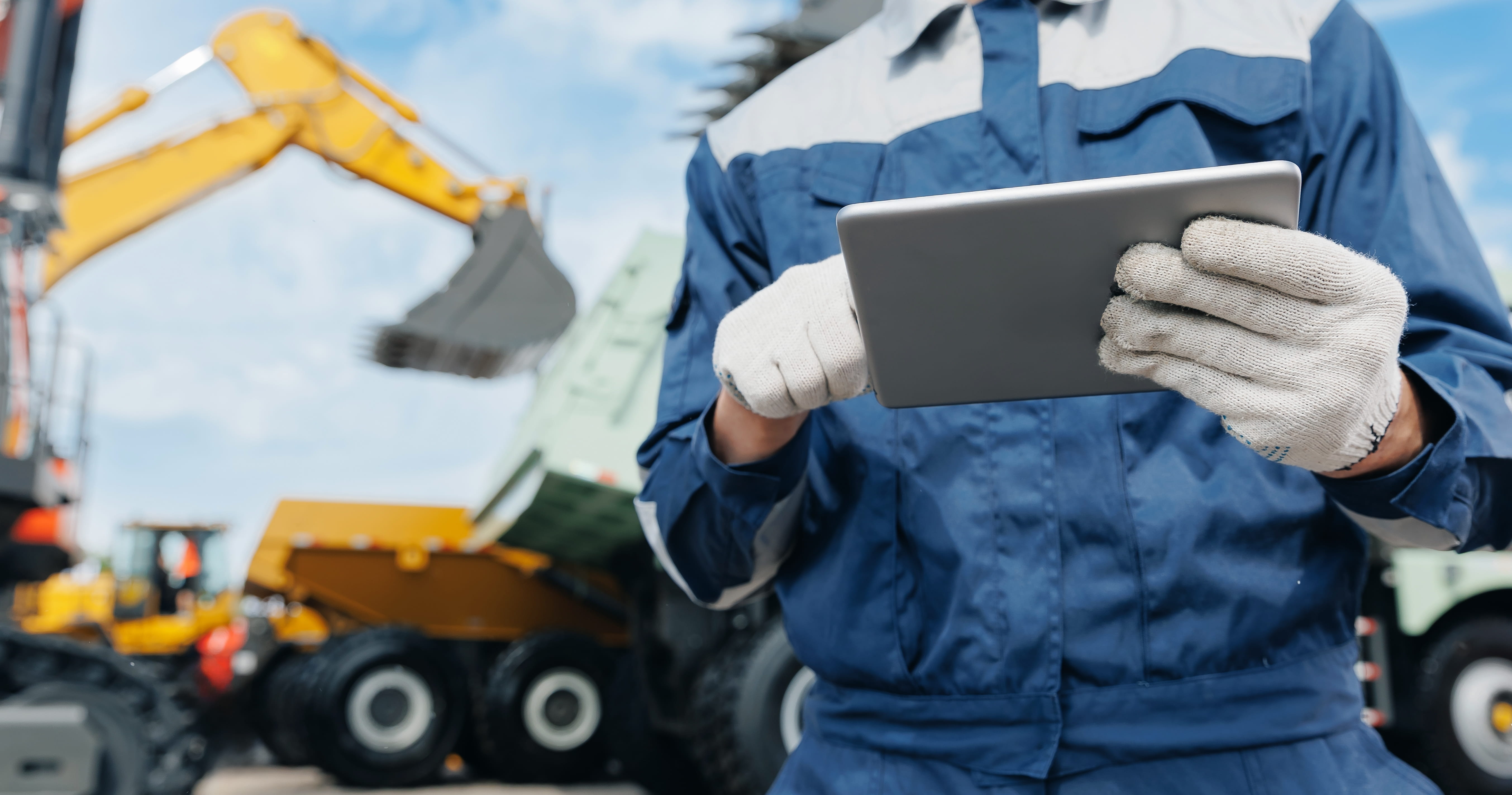

The construction industry is rapidly developing ways to optimise their workflow with artificial intelligence (AI) technology. Artificial intelligence in construction can plan projects, organise admin tasks, manage worksites and machinery, and even complete manual building.
When used safely alongside human expertise, many companies emphasise the benefits of AI in construction.
How AI in construction can support project design and planning
Outside the construction site, AI can organise data, provide insights and assist with project planning.
It can generate timelines and costs for projects by analysing the building size, land, materials and necessary building codes. Alternatively, it can also propose design concepts based on specific conditions and budgets.
Artificial intelligence can also generate 3D models and simulators based on blueprints. This allows companies to show their clients a mock-up of what a finished development will look like. Predictive models can also test how a structure might react in different environments and weather.
In many different industries, companies are streamlining admin tasks with AI. It can search through data, transcribe meetings, organise diaries, compare documents, and more. This can save construction companies time and money so they can dedicate more time to skill-based tasks.

AI tools on the worksite
Artificial intelligence is also being used on worksites to improve health and safety and track progress on a development.
Sensors attached to machinery or workers can track locations and collect important data. AI systems can monitor machine performance and flag if something is not working as expected. It can also monitor environmental factors like temperature, humidity, wind speed and more.
These sensors can monitor equipment performance and conditions constantly, instead of checking only during regular inspections. The software analyses the data and sends alerts if this could pose a risk to the structure or workers.
CCTV cameras can also use AI software to check for any safety risks or structural issues during a development. It can also analyse the rate of work to project the expected timeline for completion.
AI robots can now complete manual repetitive tasks to reduce the physical toll on workers. AI can automate tasks like pouring concrete, bricklaying, and demolition. This reduces repetitive strain injuries and allows workers to focus on skilled detail work in construction.
AI working alongside humans
While AI can increase productivity and efficiency, it is not a replacement for human skill. AI can “hallucinate” and provide incorrect information, so professionals should always review generated plans and materials.
Companies must still always complete regular maintenance checks of equipment if they use automatic AI sensors.
Lastly, businesses should consider the environmental impact of AI before implementing it.
Artificial intelligence is best utilised after detailed research and analysing where it can best optimise workflow and improve current systems.
At FormFive, we deliver cost-efficient and modern construction projects. For more information, email hello@formfivegroup.co.uk or call 01604 218 700.
Latest News
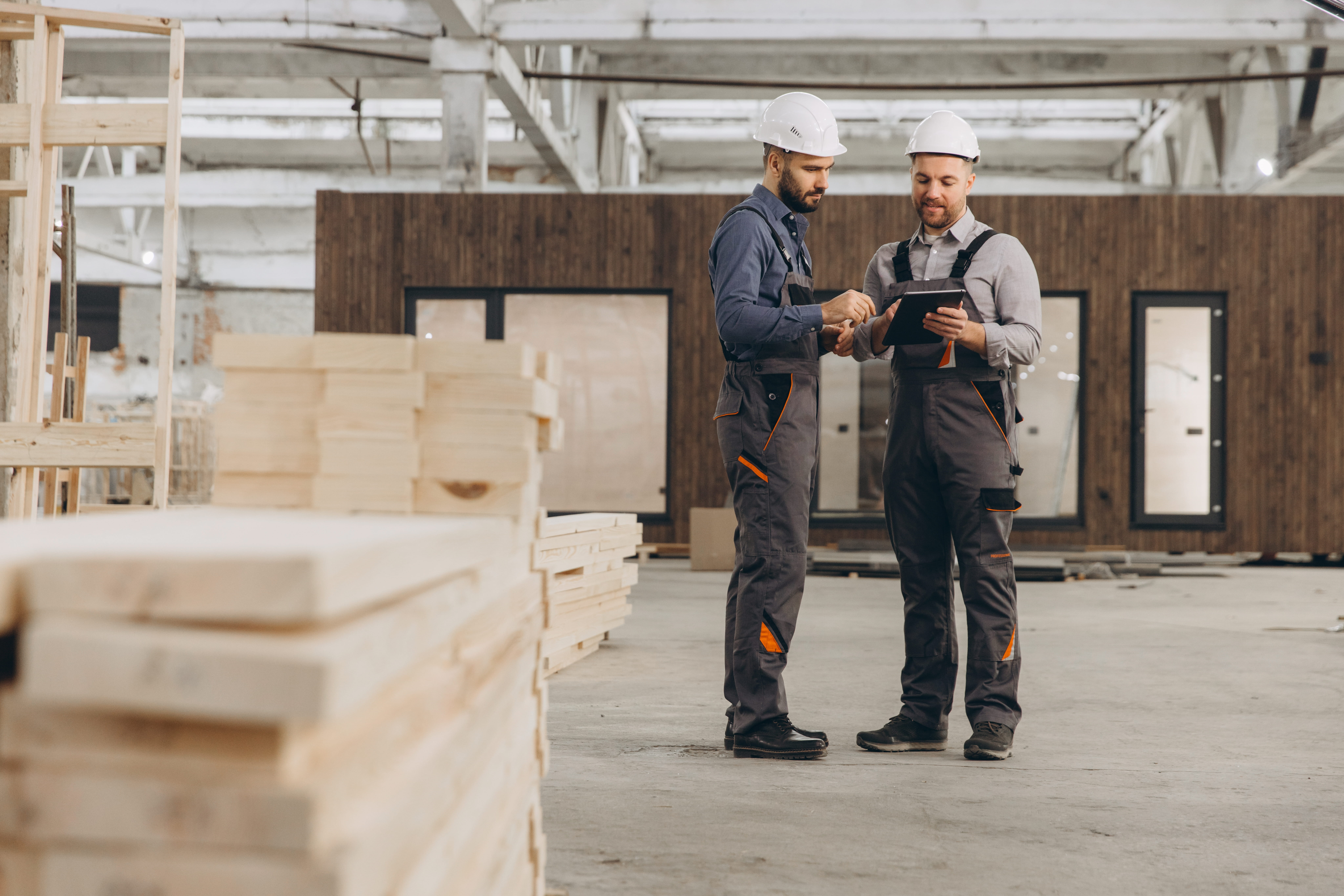
What is BREEAM in Construction?
Published:
September 16, 2026
BREEAM helps companies to evaluate the sustainability of a particular construction project. It is a certification process that assigns point values to different sustainability categories against established benchmarks.
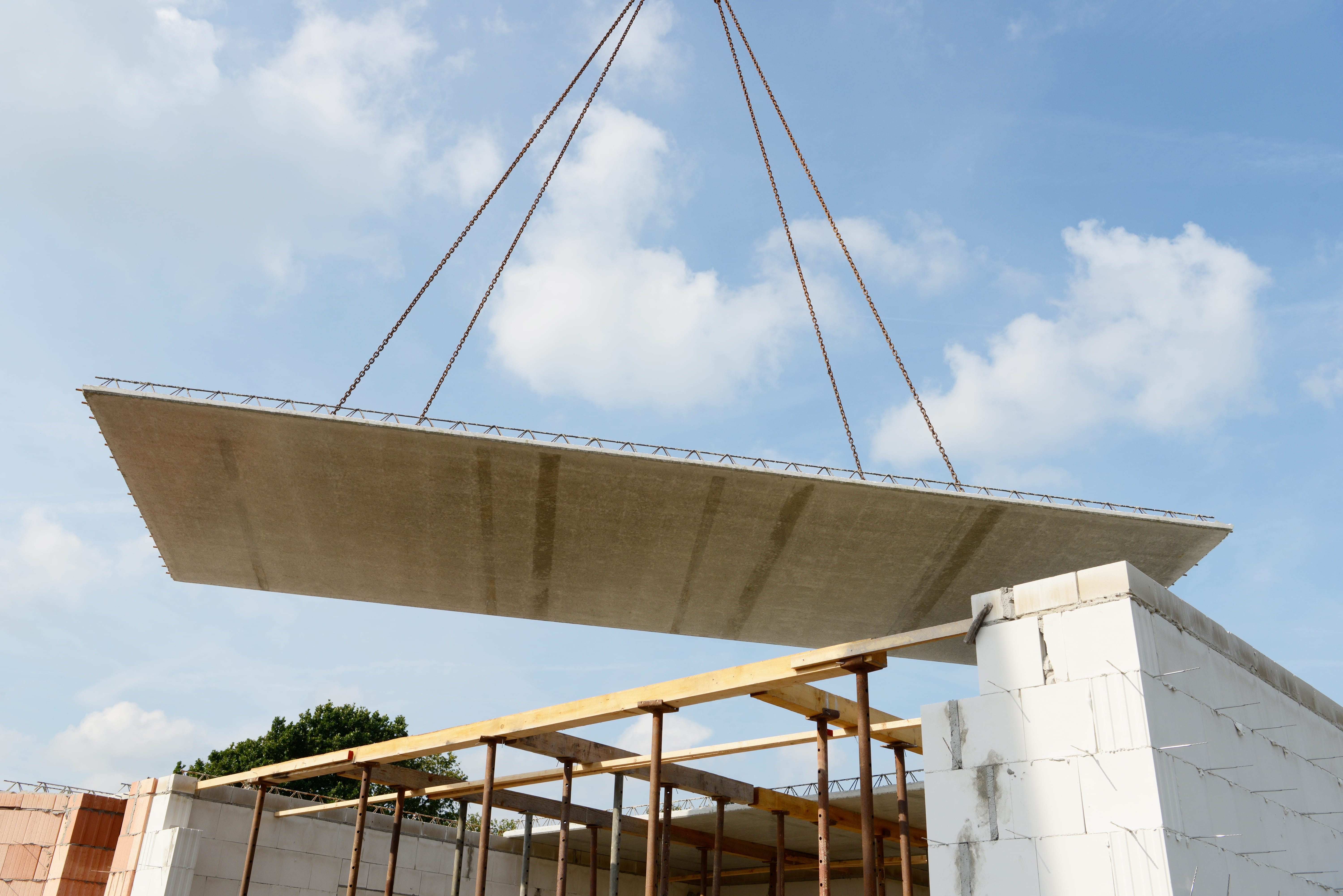
Modern Methods of Construction: What You Should Know
Published:
August 19, 2026
Modern methods of construction involve streamlining the building process with premade assets or automated systems.

A Guide on Risk Management in Construction Projects
Published:
July 22, 2026
Risk management is one of the most important considerations during construction projects. With a proper risk management plan, companies can save money and avoid delays or legal disputes.
Looking for a clear way forward with your next building project?
Struggling to see how you get your project to completion? You don’t need to go it alone.
With our proven track record, extensive experience and a powerful supply chain, we’ll get your project to where it needs to be.