
Popular Sustainable Materials for Construction Projects
Published:
April 20, 2026
Using sustainable materials for construction projects has multiple benefits. Eco-friendly building materials are also often more cost-effective and energy-saving than traditional materials. They also have better durability and insulation.

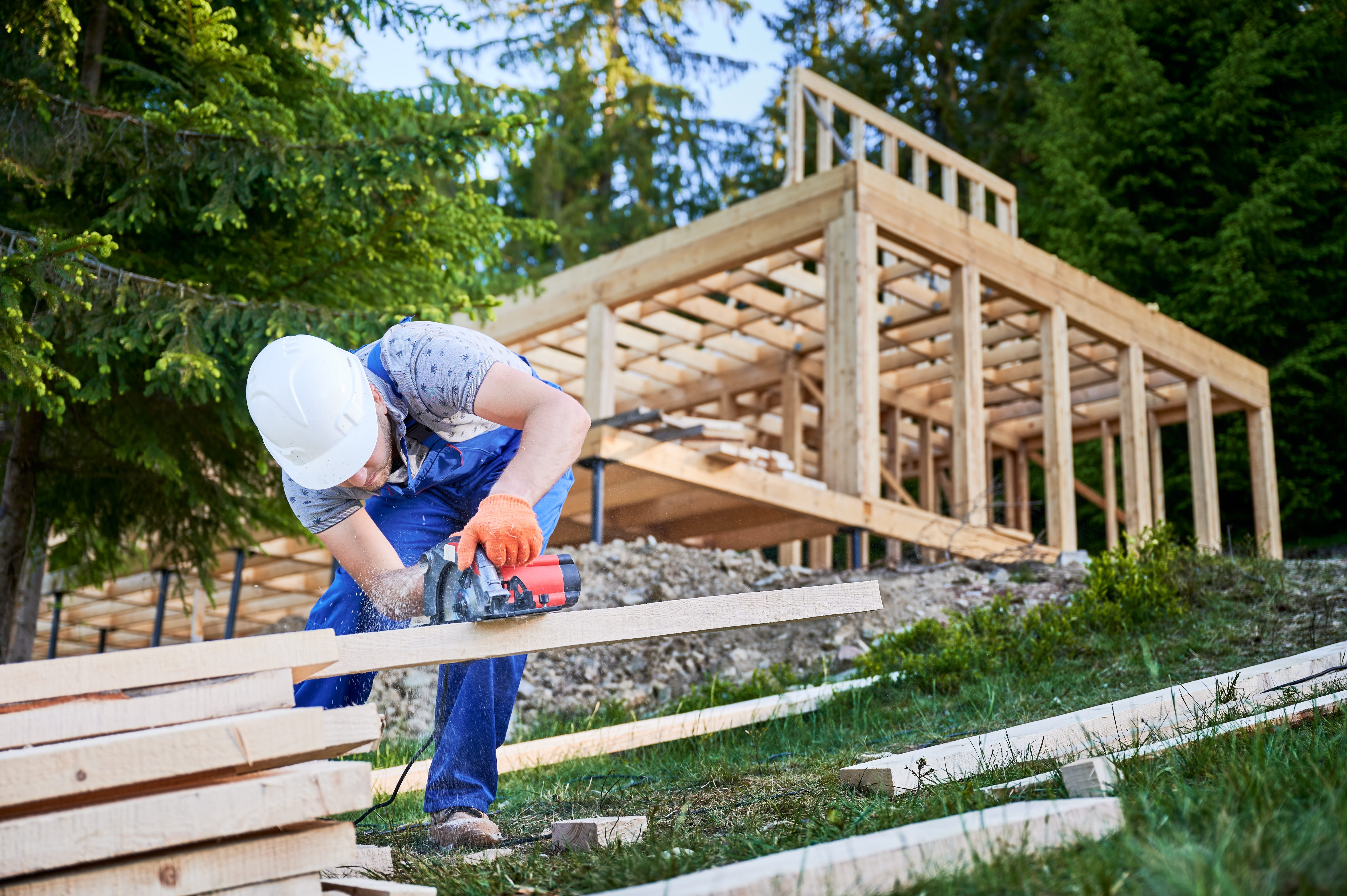

The construction industry accounts for 42% of total energy consumption in Europe. The industry also uses many raw materials and creates significant greenhouse gas emissions. Construction companies need to work hard at reducing their environmental impact to change this.
Using sustainable materials for construction projects has multiple benefits. Eco-friendly building materials are also often more cost-effective and energy-saving than traditional materials. They also have better durability and insulation.
Reducing carbon emissions from concrete
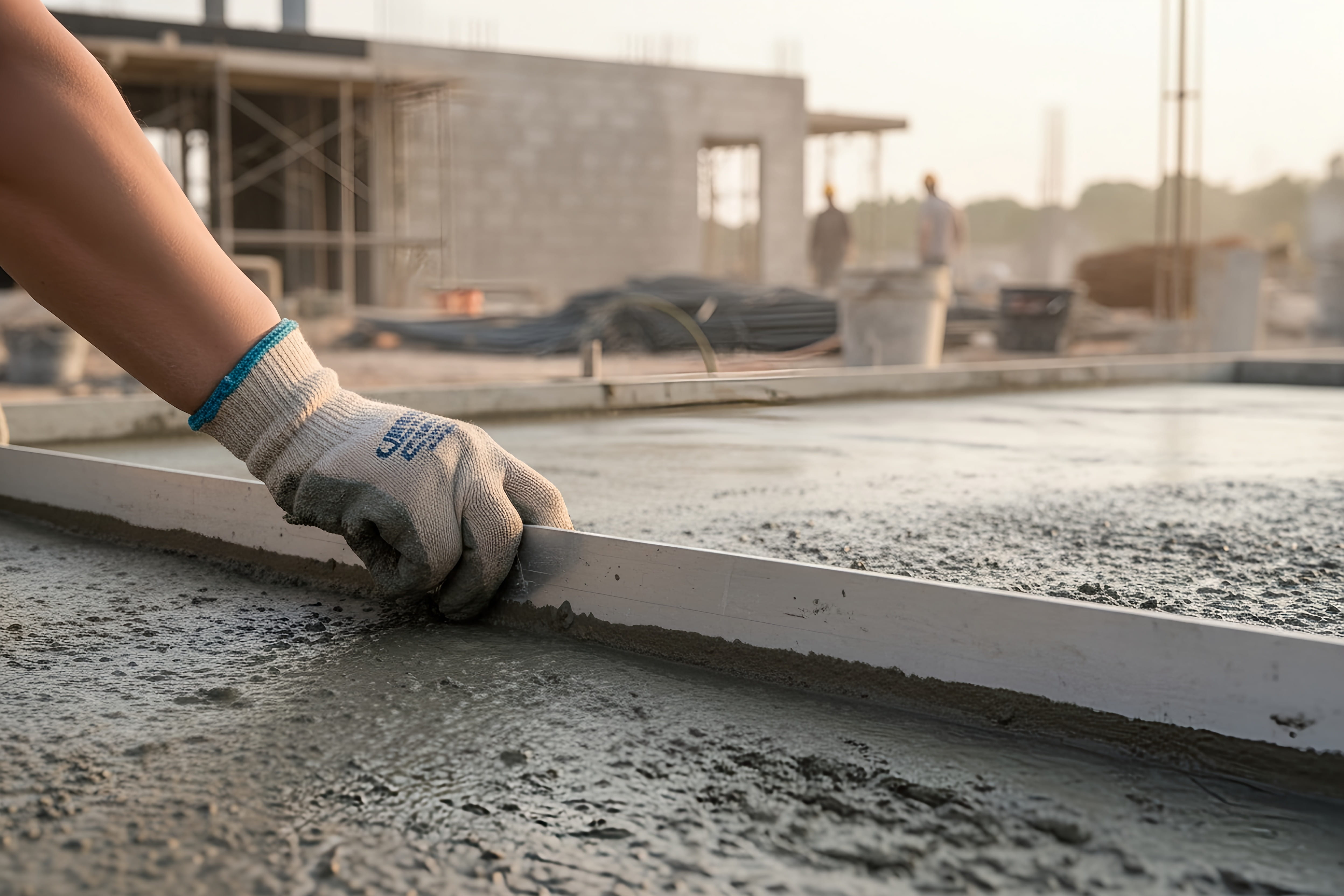
Concrete is a popular and widely used material. Construction companies use concrete because it is strong, readily available, and has a lifespan of over a century.
However, concrete is made from cement. Cement is made from mining limestone, iron ore, and clay, and is heated using fossil fuels at 1500oC. Concrete is also heavy, so it can be difficult to transport — leading to more carbon emissions. Manufacturers have devised technology to reduce the environmental impact of concrete throughout the supply chain.
Highly insulated kilns and energy-efficient motors can produce cement with less fuel. Furthermore, hollow or aerated concrete blocks are more lightweight, making them easier to transport. They are also excellent thermal insulators.
Many manufacturers are using alternative aggregates in concrete to reduce the environmental impact. Recycled materials including ash, slag, wood, plastic, crushed concrete or coffee grounds reduce the carbon footprint of concrete production. In the case of coffee grounds, they can also increase the strength of concrete by 30%.
Other sustainable construction materials for buildings
Many construction companies are turning to renewable, reclaimed, and natural resources for their building projects.
Bamboo is an elegant and lightweight material, which benefits from being both strong and flexible. It also grows far quicker than trees, reaching maturity in 3-5 years.
Construction projects can also use cork. Sourced from cork tree bark, cork is fire-resistant and an effective insulator.
Projects sometimes use materials like clay, straw, and earth for building walls. These natural materials have a good thermal mass, and you can source them easily.
Hempcrete is made with hemp stalks, lime, and water and is an eco-friendly alternative to concrete. It is also insulating, durable, and fire-resistant.
Recycled and reclaimed materials can also be popular options. This includes recycled steel, which retains its strength when recycled and is highly durable and versatile. Reclaimed wood is affordable and can add character and history to a build.
At FormFive, we utilise a range of sustainable materials in our builds. We help our clients with stylish projects that keep sustainability a priority. Email hello@formfivegroup.co.uk or call 01604 218 700 for more information.
Latest News
What is BREEAM in Construction?
Published:
September 16, 2026
BREEAM helps companies to evaluate the sustainability of a particular construction project. It is a certification process that assigns point values to different sustainability categories against established benchmarks.
Modern Methods of Construction: What You Should Know
Published:
August 19, 2026
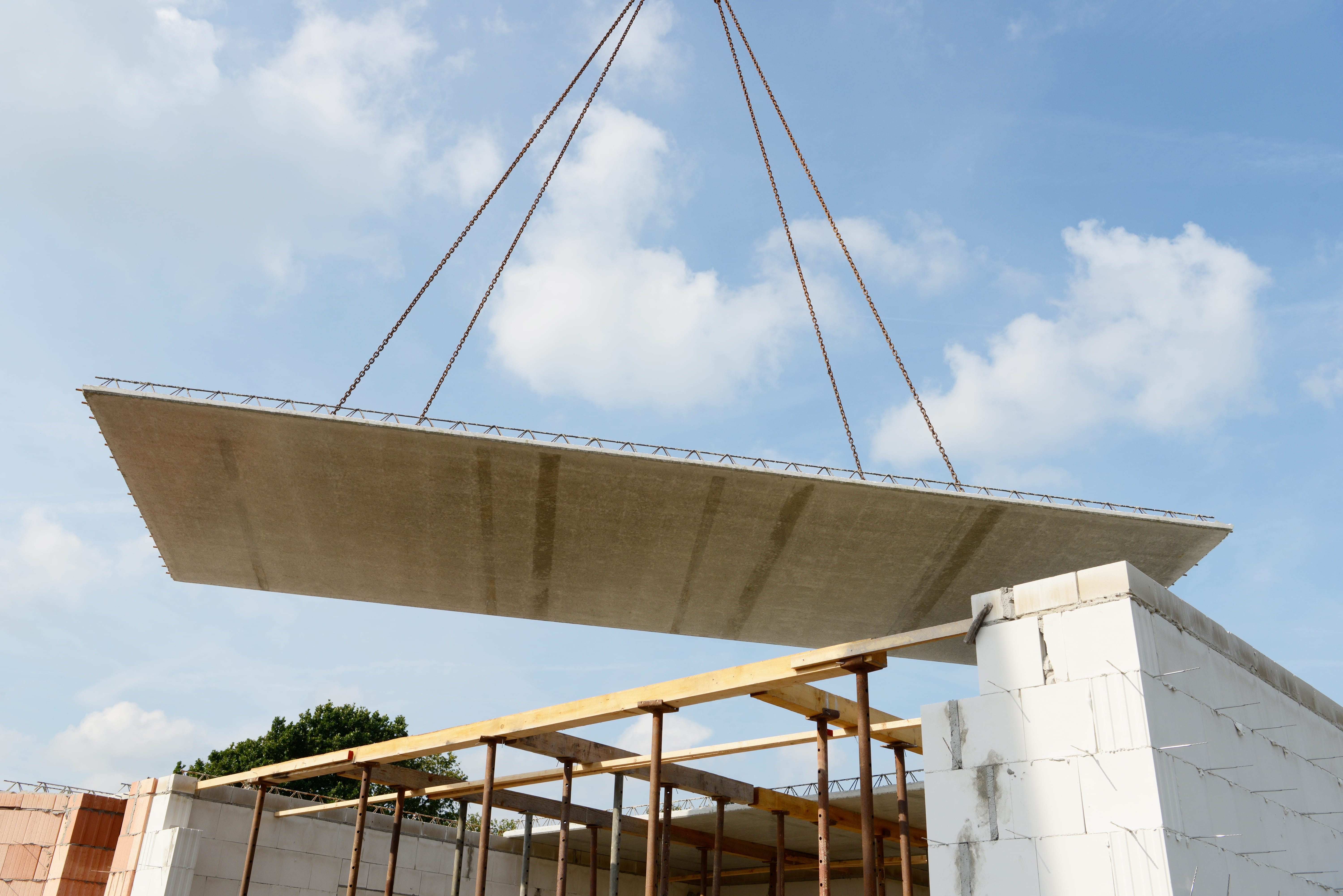
Modern methods of construction involve streamlining the building process with premade assets or automated systems.

A Guide on Risk Management in Construction Projects
Published:
July 22, 2026
Risk management is one of the most important considerations during construction projects. With a proper risk management plan, companies can save money and avoid delays or legal disputes.
Looking for a clear way forward with your next building project?
Struggling to see how you get your project to completion? You don’t need to go it alone.
With our proven track record, extensive experience and a powerful supply chain, we’ll get your project to where it needs to be.